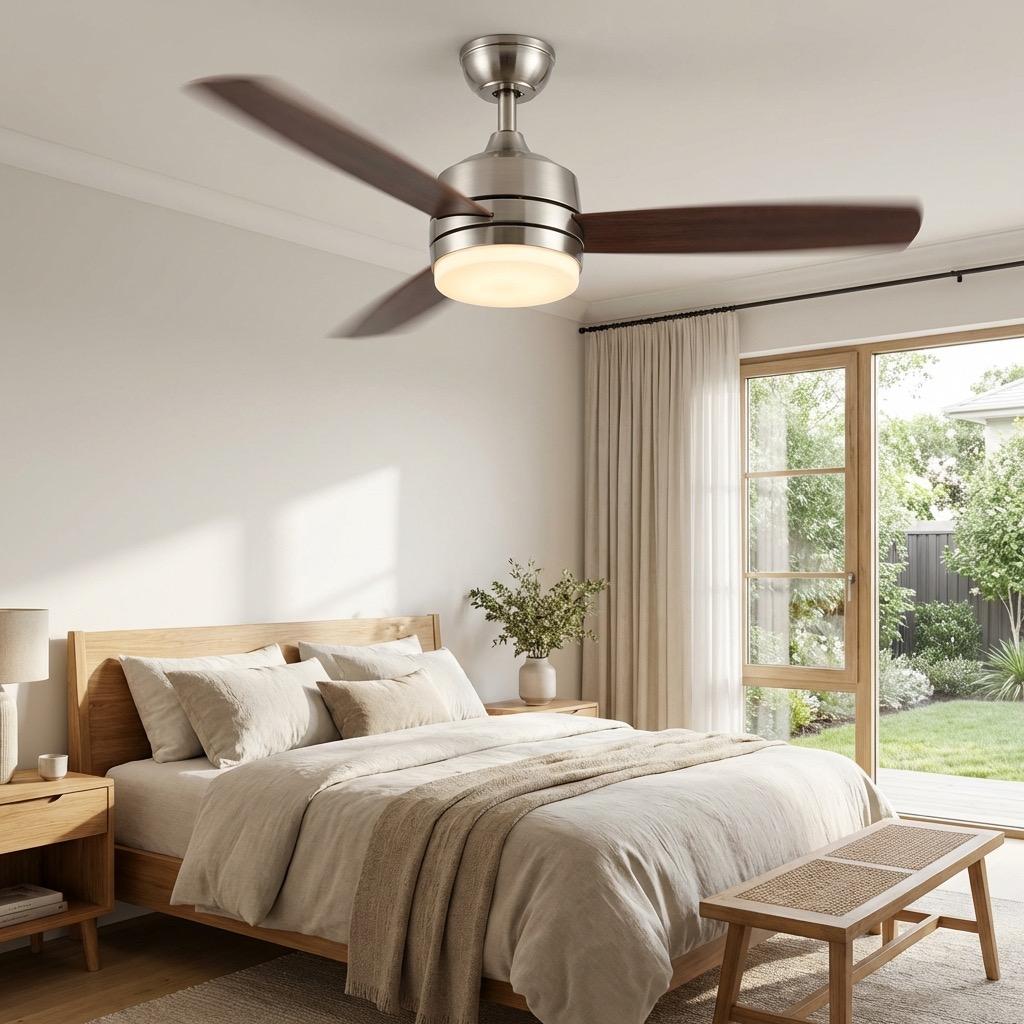
Ceiling fans with integrated lights combine two essential functions in one fixture, providing both air circulation and illumination while saving valuable ceiling space. These combination fixtures are especially popular in Northern Virginia homes where hot, humid summers make effective air circulation a necessity and where every room benefits from thoughtful lighting design. Installing ceiling fans with lights requires attention to electrical requirements, structural support, and proper configuration to ensure safe, reliable operation. At AJ Long Electric, we install ceiling fans with lights throughout Fairfax, Arlington, Loudoun, and Prince William counties, and this guide covers everything you need to know for a successful installation.
Key Takeaways
- Ceiling fans require electrical boxes specifically rated for fan support; standard light fixture boxes are NOT adequate and create a safety hazard.
- Separate control of fan and light functions requires two hot wires; single-switch setups can use remote controls or smart fan controllers as alternatives.
- Fan blades must be at least 7 feet above the floor and 10-12 inches below the ceiling for safe, effective airflow.
- Standard dimmers must never be used with fan motors; only fan-speed controllers rated for motor loads are safe and appropriate.
- A properly sized ceiling fan can reduce air conditioning costs by 4-8% by allowing you to raise the thermostat setting while maintaining comfort.
Electrical Box Requirements
Why Fan-Rated Boxes Are Mandatory
Ceiling fans require boxes specifically rated to support their weight and withstand the dynamic forces created by rotating blades. Standard light fixture boxes are not adequate for ceiling fans because they are designed only for static loads. A ceiling fan weighing 30-50 pounds creates oscillating forces as the blades spin, which can loosen a standard box over time and potentially cause the fan to fall. Fan-rated boxes are reinforced and designed to handle both the weight and the vibration. Using a standard box for a ceiling fan is dangerous, code-violating, and one of the most common electrical safety issues we encounter during home inspections throughout Northern Virginia.
Mounting to Structural Framing
Fan-rated boxes must be mounted securely to structural framing, either directly to a ceiling joist or using an expandable brace bar that spans between two joists. Pancake-style fan boxes mount directly to the bottom of a joist and are the most secure option when a joist is in the correct location. Adjustable brace bars are used when no joist is directly above the desired fan location and can be installed through the existing ceiling opening without accessing the attic, though attic access makes installation easier and more secure.
Did You Know? If your home currently has a light fixture where you want to install a ceiling fan, the existing electrical box almost certainly needs to be replaced with a fan-rated box. Even if the existing box appears sturdy, it was not designed for the dynamic forces of a spinning fan. AJ Long Electric replaces the box as a standard part of every ceiling fan installation to ensure your safety and code compliance.
Wiring Requirements for Fan-Light Combos
Basic Wiring
At minimum, ceiling fans with lights need standard fixture wiring: one hot wire, one neutral wire, and a ground wire. With this basic wiring, the fan and light operate from a single switch and you must use pull chains, a remote control, or a smart controller to independently adjust fan speed and light brightness. This configuration is common in existing homes where only standard 14/2 or 12/2 wiring runs to the ceiling box.
Whether it is a simple repair or a major electrical project, our licensed team is ready to help. Serving all of Northern Virginia with transparent pricing and expert workmanship. Call (703) 997-0026 today.
Separate Control Wiring
For separate wall switch control of fan and light, additional wiring provides two hot wires, one for the fan motor and one for the light, allowing independent wall switch operation. This requires 14/3 or 12/3 wiring between the switch box and the ceiling box. In new construction or during renovation, running the additional wire is straightforward. In existing homes, adding the extra wire may require fishing through walls and ceilings, which is where professional electrician experience becomes valuable. Many homes in older Fairfax and Arlington neighborhoods were wired with only basic two-conductor cable, and upgrading to separate control during a fan installation is a popular request.
Switch and Control Options
Wall Switches and Controls
Control options for ceiling fan and light combos vary depending on your wiring and preferences. Standard dual switches provide one switch for the fan and one for the light, requiring separate control wiring. Fan speed controls with integrated light dimmers combine both functions in a single gang box. These specialized controls use a fan-speed controller for the motor (not a standard dimmer, which damages fan motors) and a compatible LED dimmer for the light kit.
Remote Controls and Smart Integration
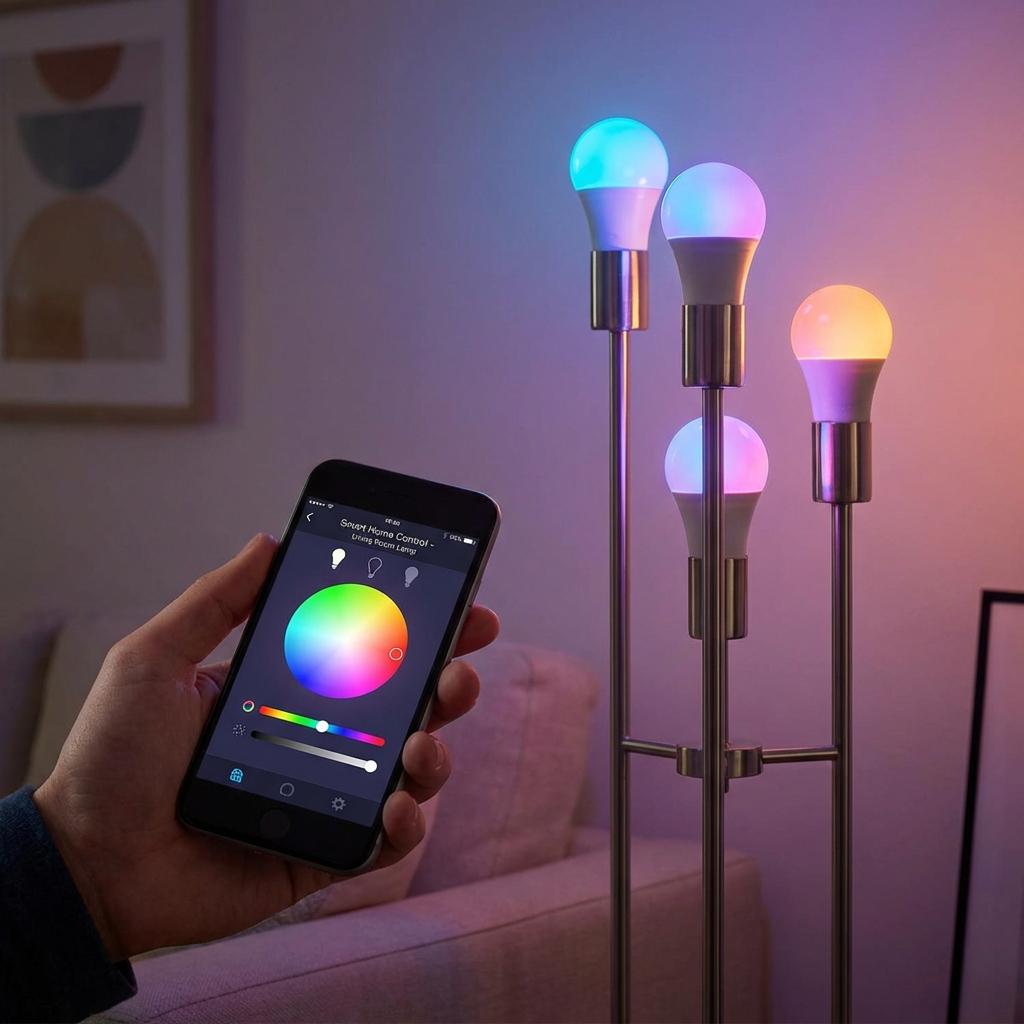
Remote controls are an excellent solution for single-switch wiring situations. A receiver module installs inside the fan canopy, and a handheld remote provides independent control of fan speed, light brightness, and power. Many modern ceiling fans include remote controls as standard equipment. Smart fan controls take this further by integrating with home automation platforms. Products from Lutron, Bond, and others allow voice control through Alexa, Google Assistant, or Siri, along with scheduling and scene integration. Smart controls are especially popular with Northern Virginia homeowners who want to include ceiling fans in their whole-home automation systems.
Pro Tip: Never use a standard light dimmer switch to control a ceiling fan motor. Standard dimmers are designed for resistive loads like light bulbs and can overheat fan motor windings, causing premature failure, noise, or even fire. Always use a fan-speed controller specifically rated for motor loads. If you want dimming capability for the light kit, install a combination fan-speed and light-dimmer control designed for this purpose.
Installation Height, Clearance, and Sizing
Height Requirements
Fan blades should be at least 7 feet above the floor for safety and at least 8-9 feet for optimal comfort and airflow. Blades should hang 10-12 inches below the ceiling for the best air circulation, as mounting too close to the ceiling restricts airflow and reduces the fan's effectiveness. Blades should also maintain at least 18 inches of clearance from any wall or obstruction. For low ceilings at 8 feet or less, flush-mount or hugger fans minimize the distance between the ceiling and the blades while still providing air movement.
Choosing the Right Fan Size
Fan size should match the room dimensions for effective air circulation. Rooms up to 75 square feet need a 29-36 inch fan. Rooms from 76-144 square feet work best with a 36-42 inch fan. Rooms from 144-225 square feet need a 44-50 inch fan. Rooms from 225-400 square feet require a 50-54 inch fan. Rooms larger than 400 square feet may need a fan with a 60-inch or larger span, or multiple fans. For the large great rooms and vaulted living areas common in Northern Virginia homes, oversizing the fan slightly is preferable to undersizing it.
Common Installation Mistakes to Avoid
- Wrong box type: Using standard light fixture boxes for ceiling fans creates a dangerous safety hazard and code violation.
- Improper mounting: Fans must be mounted to structural framing through a fan-rated box, never to drywall alone.
- Wrong switch type: Standard dimmers damage fan motors and create fire risk; only fan-speed controllers are appropriate.
- Inadequate clearance: Fans mounted too low create a head-strike hazard, especially in rooms with varied floor levels or where tall residents live.
- Undersized fan: A fan that is too small for the room moves inadequate air and provides little benefit despite consuming electricity.
- Unbalanced blades: Wobbly operation indicates improperly balanced blades, which creates noise, reduces efficiency, and stresses the motor mount over time.
Professional Ceiling Fan Installation in Northern Virginia
At AJ Long Electric, we handle all aspects of ceiling fan with light installation, from replacing or upgrading electrical boxes to running separate control wiring, configuring smart controls, and ensuring proper operation. Our electricians verify structural support, install fan-rated boxes, and test every fan for smooth, balanced operation before completing the job.
Contact AJ Long Electric for ceiling fan installation in Fairfax, Arlington, Loudoun, or Prince William County. Whether you are adding a fan to a room that has never had one or upgrading an existing fan to a modern smart-controlled unit, our team delivers professional results that keep your home comfortable and well-lit year-round.
Tags:

Written by
AJ Long Electric Team
Licensed Electricians
Our team of licensed electricians brings over 40 years of combined experience serving Northern Virginia. We're committed to providing expert electrical solutions with a focus on safety, quality, and customer satisfaction.
Reviewed by AJ Long Electric Master Electricians · VA License #2705031092 · View Credentials