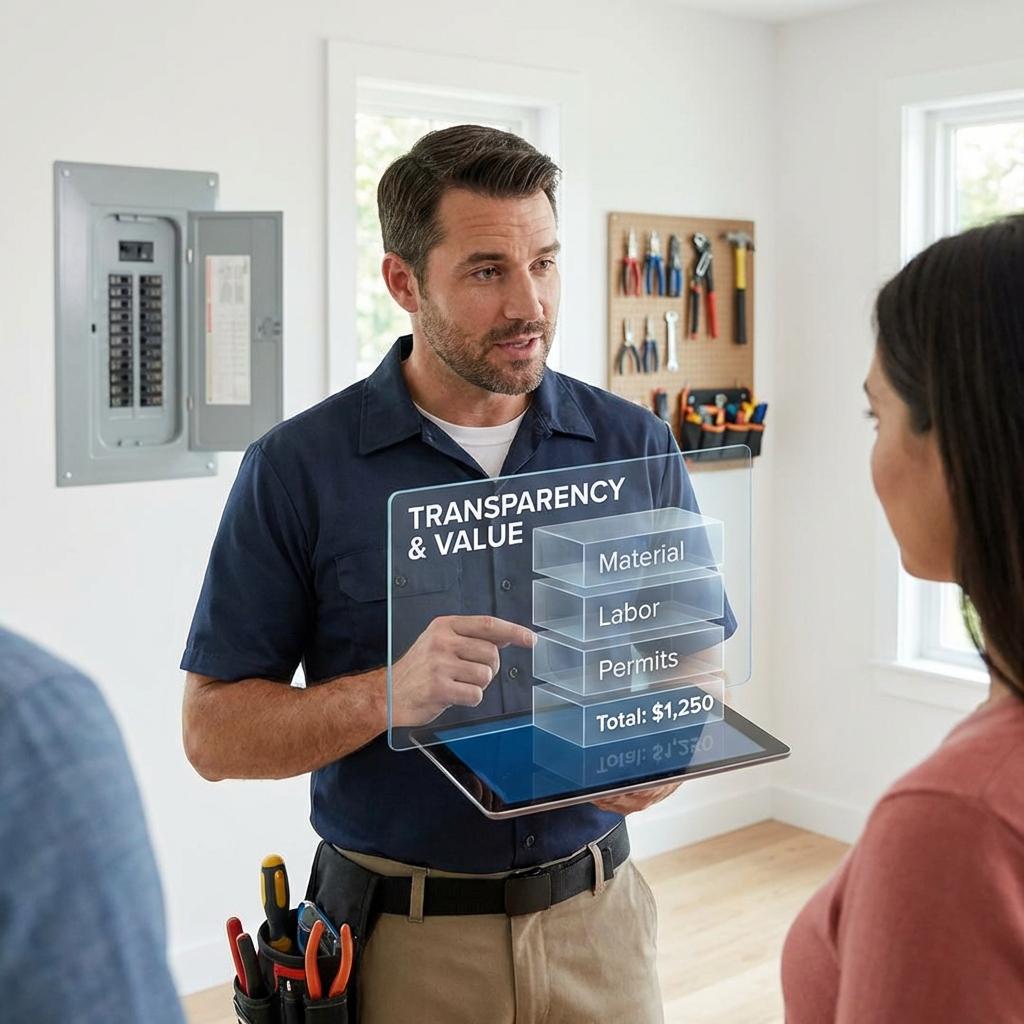
Whole-house rewiring in Northern Virginia typically costs $8,000-$30,000, or approximately $6-$10 per square foot. This major project replaces all wiring, outlets, and switches throughout your home, bringing your electrical system up to modern safety standards. For homeowners in older communities across Fairfax, Arlington, Falls Church, and Vienna, rewiring is often the most impactful investment you can make in your home's safety, functionality, and resale value.
Key Takeaways
- Whole-house rewiring costs $8,000-$30,000 depending on home size, typically $6-$10 per square foot
- A complete rewire includes new circuits, outlets, switches, and usually a panel upgrade
- Homes with knob-and-tube, cloth-covered, or aluminum wiring are the most common candidates for rewiring
- The project typically takes 5-10 days for an average-sized home and requires electrical permits and inspections
- Rewiring eliminates fire hazards, improves insurance standing, and supports modern electrical demands
Cost by Home Size
The size of your home is the primary cost driver for a rewiring project. Larger homes require more wire, more circuits, more outlets, and more labor hours. Here are the current price ranges for whole-house rewiring in the Northern Virginia market.
- 1,000-1,500 sq ft: $8,000-$15,000 -- Typical for smaller ramblers, cape cods, and condos found throughout Arlington and older sections of Fairfax County.
- 1,500-2,500 sq ft: $12,000-$20,000 -- The most common range for split-levels and colonials built in the 1960s-1980s across Fairfax, Burke, and Springfield.
- 2,500-3,500 sq ft: $18,000-$28,000 -- Larger colonials and modern homes in Centreville, Chantilly, and Loudoun County communities.
- 3,500+ sq ft: $25,000-$40,000 -- Estate homes in Great Falls, McLean, and newer large-format homes in Ashburn and South Riding.
Per-Square-Foot Pricing Considerations
While the $6-$10 per square foot range is a useful benchmark, the actual per-foot cost varies based on the number of outlets and fixtures per room, the number of stories, wall construction type, and accessibility. A two-story home costs more per square foot to rewire than a ranch because vertical wire runs between floors require more material and labor. Homes with plaster walls (common in pre-1960 construction) are more difficult and costly to work in than homes with drywall.
What Is Included in a Complete Rewire
A thorough whole-house rewiring project encompasses far more than just replacing wires. Here is what should be included in a comprehensive rewiring proposal.
Whether it is a simple repair or a major electrical project, our licensed team is ready to help. Serving all of Northern Virginia with transparent pricing and expert workmanship. Call (703) 997-0026 today.
New Electrical Panel
Most rewiring projects include a new 200-amp electrical panel with modern circuit breakers. If your home currently has a fuse box, a Federal Pacific panel, or a 100-amp panel, the upgrade is essential and included in the project scope. The new panel provides the capacity and protection needed for all the new circuits.
New Branch Circuits
Every circuit in the home is replaced with new copper wiring meeting current NEC requirements. Modern code requires more circuits than older installations provided. Your kitchen alone will typically have 5-7 dedicated circuits for the refrigerator, dishwasher, garbage disposal, microwave, and countertop outlets. Bathrooms, laundry rooms, and garages each get dedicated circuits as well.
New Outlets and Switches
All outlets and switches are replaced with new devices. Modern tamper-resistant outlets are required by code throughout the home. GFCI protection is required in kitchens, bathrooms, garages, outdoor areas, laundry rooms, and within 6 feet of any sink. AFCI protection is required for bedrooms, living rooms, dining rooms, and most other living spaces.
Updated Lighting Wiring
All lighting circuits are replaced, and this is an excellent opportunity to add recessed lighting, three-way switches, or outdoor lighting circuits that your home may have been lacking.
When Rewiring Is Needed
Several conditions indicate that a whole-house rewire is necessary rather than optional. If your home has any of the following, you should consult with a licensed electrician about rewiring.
Knob-and-Tube Wiring
Found in homes built before 1940, knob-and-tube wiring uses ceramic insulators and individual conductors routed through open framing. This wiring type has no ground conductor, cannot safely be in contact with insulation, and many insurance companies in Northern Virginia refuse to cover homes with active knob-and-tube wiring. If your home in historic sections of Falls Church, Alexandria, or Leesburg has knob-and-tube, rewiring is a priority.
Cloth-Covered Wiring
Common in homes built from the 1920s through the 1960s, cloth-covered wiring uses a woven fabric jacket that becomes brittle with age. As the cloth deteriorates, it exposes conductors and creates short-circuit and fire risks. Many homes in established Fairfax County neighborhoods like Vienna, Oakton, and Annandale have this wiring type.
Aluminum Branch Circuit Wiring
Used extensively from 1965-1973 when copper prices were high, aluminum wiring expands and contracts at a different rate than the copper or brass terminals it connects to, causing loose connections that generate heat. Homes throughout Northern Virginia suburbs developed during this era may have aluminum branch circuits. While remediation with approved connectors is an option, full rewiring provides the most comprehensive and permanent solution.
Insufficient Capacity
Even if your wiring type is acceptable, homes with too few circuits, too few outlets, or inadequate capacity for modern electrical demands benefit from rewiring. If you regularly use extension cords, trip breakers, or have rooms with only one or two outlets, a rewiring project addresses all of these deficiencies.
The Rewiring Process
Assessment and Planning
The electrician performs a thorough evaluation of your existing wiring, identifies all circuits and loads, and designs the new electrical layout. This includes determining the number and location of outlets, switches, and dedicated circuits based on your needs and current code requirements.
Permitting
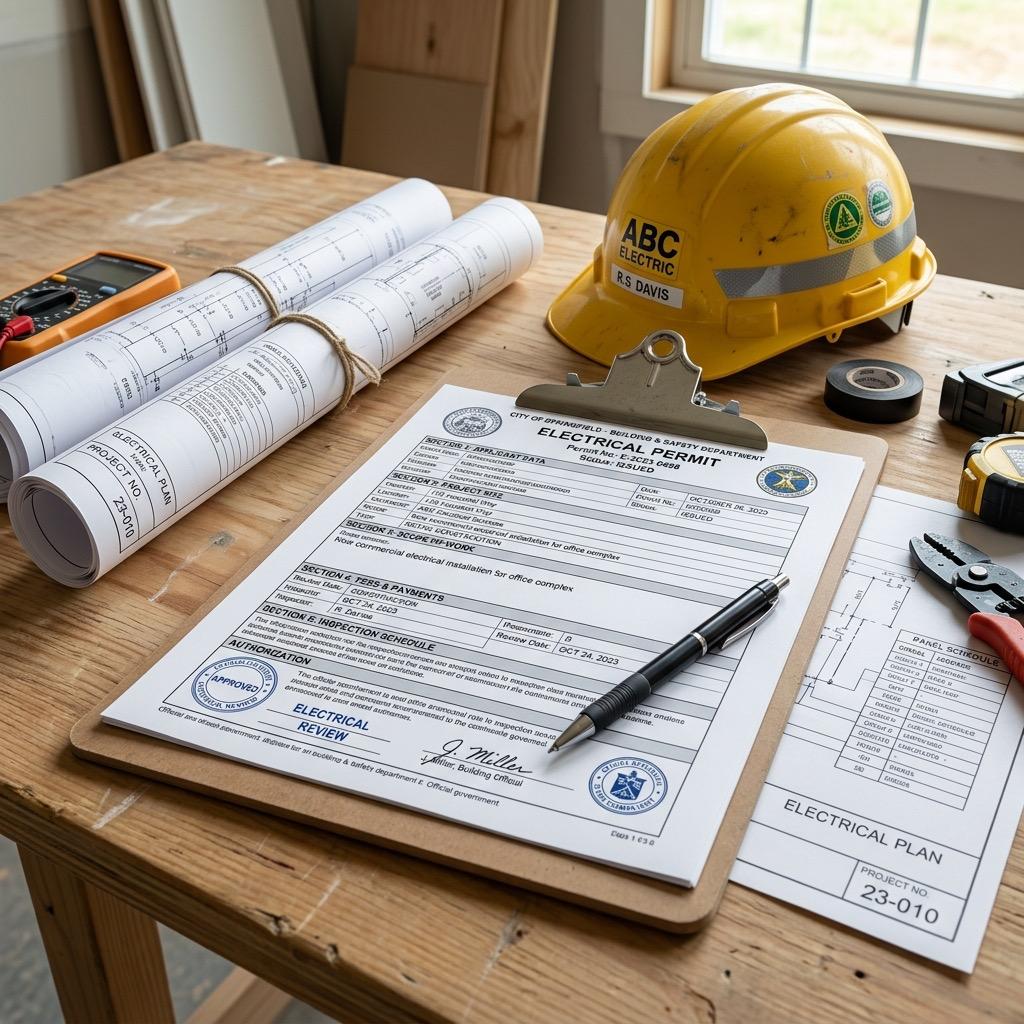
A whole-house rewire requires an electrical permit from your local jurisdiction. In Fairfax County, Arlington, Loudoun, and Prince William counties, the permit triggers multiple inspections throughout the project to ensure code compliance at each stage.
Installation
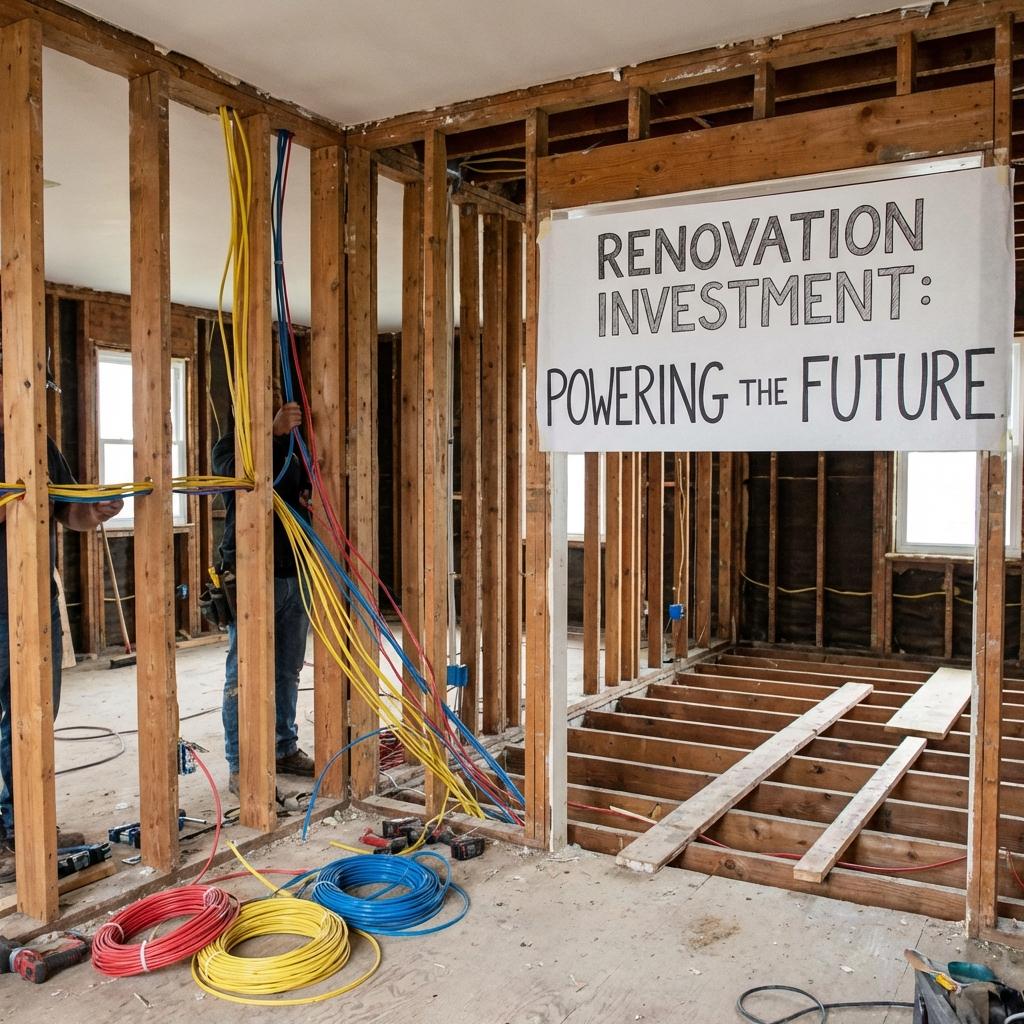
The actual rewiring work typically takes 5-10 days for an average-sized home. Electricians work room by room, running new wires through walls, ceilings, and floors. In many cases, small access holes are cut in drywall at strategic points to route wiring. These holes are patched after the wiring work is complete. The old wiring is typically left in place (de-energized) since removing it would cause unnecessary wall damage.
Inspection and Completion
After all wiring is installed, the county inspector verifies the work meets current NEC requirements. Once approved, all access holes are patched, and the system is energized and tested. Each circuit, outlet, and switch is verified for proper operation.
Minimizing Disruption During a Rewire
A rewiring project is significant work, but experienced electricians minimize disruption to your daily life. Power is typically maintained to portions of the home not being actively worked on, and most families continue living in their home throughout the project. Your electrician should provide a room-by-room schedule so you know what to expect each day.
Schedule Your Rewiring Assessment
If your Northern Virginia home has outdated wiring, inadequate electrical capacity, or you are planning a major renovation, a whole-house rewire may be the right investment. At AJ Long Electric, we have rewired homes of all ages and sizes across the DMV area since 1996. Our detailed proposals cover every aspect of the project with transparent pricing and no hidden costs. Contact us at (703) 997-0026 to schedule a comprehensive electrical assessment and receive a detailed rewiring quote for your home.
Tags:

Written by
Matt Long
Master Electrician
Our team of licensed electricians brings over 40 years of combined experience serving Northern Virginia. We're committed to providing expert electrical solutions with a focus on safety, quality, and customer satisfaction.
Reviewed by AJ Long Electric Master Electricians · VA License #2705031092 · View Credentials