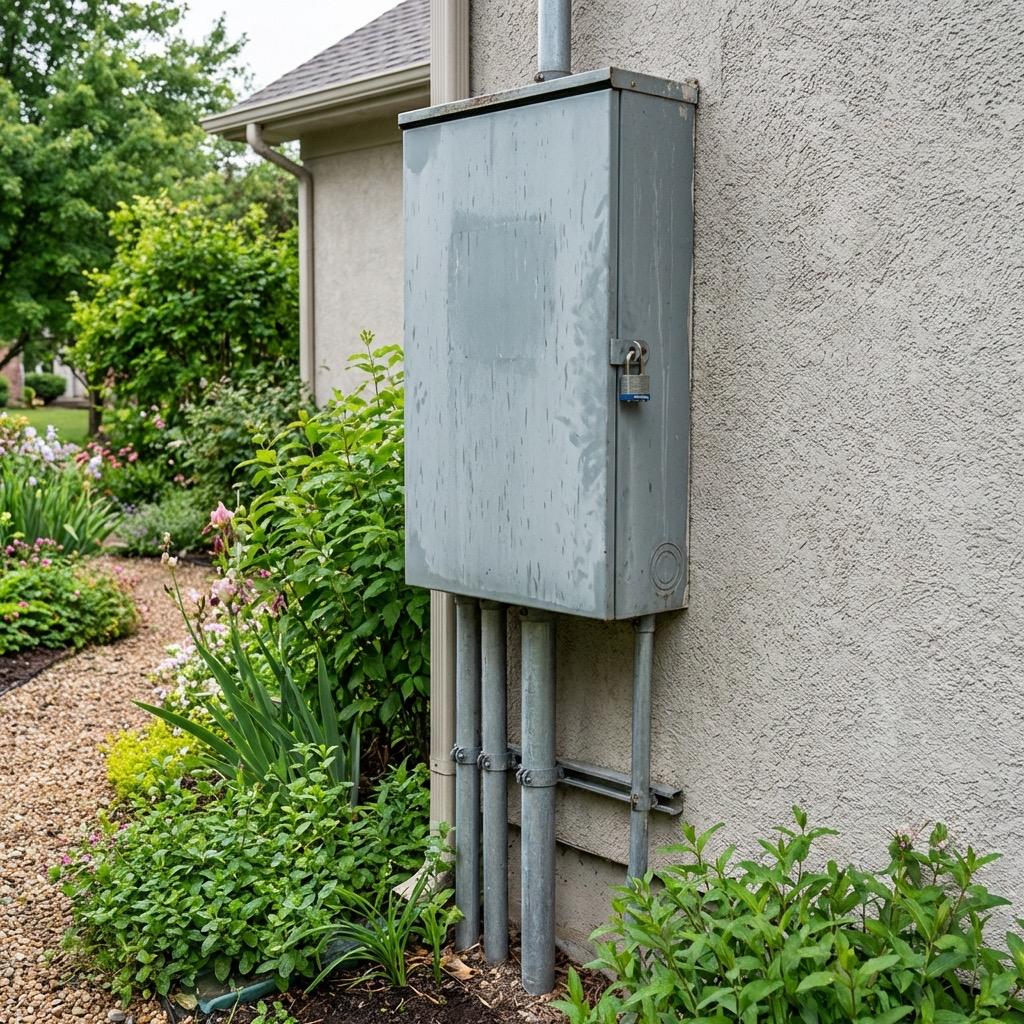
Outdoor electrical panels are common in Northern Virginia, particularly in homes where utility connections are on the exterior or where basement space is limited. While outdoor panels work perfectly well, they require specific considerations for weatherproofing, maintenance, and code compliance. Here's what homeowners need to know.
Key Takeaways
- Electrical panels are involved in a significant percentage of residential electrical fires each year.
- Loose connections, overloaded circuits, and failed breakers are the primary causes of panel-related fires.
- Modern panels with AFCI breakers and whole-home surge protection dramatically reduce fire risk.
- Annual professional inspection of your electrical panel is one of the most effective fire prevention measures.
Why Some Homes Have Outdoor Panels
Several factors may lead to outdoor panel placement:
- Utility requirements: The utility meter is on the exterior, and it's cost-effective to locate the panel nearby
- Building design: Some home designs don't have suitable interior locations
- Retrofit installations: Panel upgrades may use outdoor locations when the original indoor location is problematic
- Code requirements: Firefighter access considerations may favor exterior panels
Prevention Checklist: Schedule annual panel inspections, never exceed breaker ratings, replace any breaker that trips repeatedly without investigation, and upgrade panels showing signs of overheating, corrosion, or damage.
NEMA Ratings for Outdoor Enclosures
Outdoor panels must be rated for exterior use. NEMA (National Electrical Manufacturers Association) ratings indicate what conditions an enclosure can withstand:
Outdated or overloaded electrical panels are a safety risk. Our team specializes in 200-amp upgrades throughout Northern Virginia, with same-day panel assessments available. Call (703) 997-0026 to get started.
NEMA 3R (Most Common)
- Protects against rain, sleet, and ice
- Suitable for most residential outdoor installations
- Has provisions for water drainage
- Standard rating for outdoor residential panels
NEMA 4
- Protects against rain, sleet, ice, and hose-directed water
- More robust sealing than 3R
- Often used in commercial/industrial settings
- Higher cost than 3R
NEMA 4X
- Same protection as NEMA 4 plus corrosion resistance
- Stainless steel or non-metallic construction
- Ideal for coastal areas or corrosive environments
- Highest cost option
Location Requirements for Outdoor Panels
The National Electrical Code specifies requirements for outdoor panel placement:
Working Space (NEC 110.26)
- 36 inches clear depth in front of the panel
- 30 inches width (or width of equipment, whichever is greater)
- 6.5 feet headroom
- Clear access path that can be easily reached
Weather Protection
- Enclosure must prevent water entry
- Must be rated for wet location
- All openings must be properly sealed
- Conduit entries should prevent water intrusion
Accessibility
- Panel must be readily accessible
- Cannot be behind locked gates or doors (for emergency access)
- Should not require special tools or ladders to access
- Consider firefighter access requirements
Maintenance for Outdoor Panels
Outdoor panels require more attention than indoor panels:
Annual Inspection Checklist:
- Check gaskets and seals for deterioration
- Look for signs of water intrusion or moisture
- Inspect for rust or corrosion
- Verify the door closes and latches properly
- Check for insect or animal intrusion (wasps love electrical boxes)
- Ensure drainage holes aren't blocked
- Trim vegetation away from the panel (3-foot clearance minimum)
Signs of Problems:
- Water stains inside the panel
- Rust on the enclosure or breakers
- Corroded connections or terminals
- Insect nests or debris inside
- Faded, cracked, or brittle gaskets
- Door that won't close or seal properly
Weatherproofing Upgrades
If your outdoor panel is showing age, consider these upgrades:
Gasket Replacement
Door gaskets deteriorate over time, especially in direct sun:
- Replace cracked or compressed gaskets
- Use UV-resistant replacement gaskets
- Ensure proper seal when door is closed
- Cost: $50-$150
Conduit Sealing
Where conduit enters the panel:
- Use hub connectors rated for wet locations
- Apply duct seal or approved sealant
- Ensure conduit drains away from panel, not into it
- Check and reseal periodically
Enclosure Replacement
Sometimes the most effective solution is a new enclosure:
- Modern enclosures have better sealing
- Upgraded to NEMA 3R or higher
- Includes new latches, hinges, and gaskets
- Cost: $200-$400 for enclosure, plus labor
Upgrading Outdoor Panels
When upgrading an outdoor panel, consider:
Moving Indoors
If possible, relocating the panel indoors offers advantages:
- Better protection from weather
- Easier access for maintenance
- Longer component life
- More comfortable for troubleshooting
However, relocation adds significant cost and may not be practical for all homes.
Upgrading in Place
If the panel stays outdoors:
- Use high-quality NEMA 3R rated panels
- Consider NEMA 4 for exposed locations
- Install proper drip loops on service entrance cables
- Use weatherproof breaker covers if available
- Ensure all components are rated for wet/damp locations
Adding Protection
Some homeowners add protection to existing outdoor panels:
- Small roof or overhang above the panel
- Screening or landscaping (maintaining clearances)
- Weather shields for exposed sides
Special Considerations in Northern Virginia
Our local climate presents specific challenges:
Temperature Extremes
- Summer heat can exceed 100°F, stressing components
- Winter cold can make plastics brittle
- Temperature cycling causes expansion/contraction
Humidity and Moisture
- Summer humidity promotes corrosion
- Condensation can form inside panels
- Rain and snow test weatherproofing
Insects
- Wasps commonly nest in electrical equipment
- Ants can cause electrical problems
- Keep entry points sealed
When to Call a Professional
Contact AJ Long Electric if you notice:
- Water inside your panel
- Rust or corrosion on components
- Breakers that trip when it rains
- Door that won't seal properly
- Unusual sounds or smells from the panel
- Any electrical problems after severe weather
We specialize in outdoor panel upgrades and maintenance throughout Northern Virginia. Contact us at (703) 555-0123 for an assessment of your outdoor electrical equipment.
Tags:

Written by
Matt Long
Master Electrician
Our team of licensed electricians brings over 40 years of combined experience serving Northern Virginia. We're committed to providing expert electrical solutions with a focus on safety, quality, and customer satisfaction.
Reviewed by AJ Long Electric Master Electricians · VA License #2705031092 · View Credentials