The lighting industry has undergone a dramatic transformation over the past decade, and homeowners across Fairfax, Arlington, Loudoun, and Prince William counties are making the switch in record numbers. LED technology has evolved from expensive, limited-application lighting to the dominant choice for residential and commercial use. Yet incandescent bulbs still have their advocates and a few remaining applications. Understanding the real differences between these two technologies helps you make informed decisions for your home, your budget, and the environment.
Key Takeaways
- A single LED bulb uses 80-85% less energy than an incandescent equivalent, saving Northern Virginia homeowners over $250 per year across a typical 40-fixture home.
- Quality LED bulbs last 25,000 to 50,000 hours compared to just 1,000 hours for incandescent, meaning you may never replace them again.
- Modern LEDs achieve CRI ratings of 90-98, making them virtually indistinguishable from incandescent in color accuracy.
- LED-compatible dimmers are essential when transitioning; older incandescent dimmers can cause flickering and buzzing with LED loads.
Energy Efficiency: The Numbers Do Not Lie
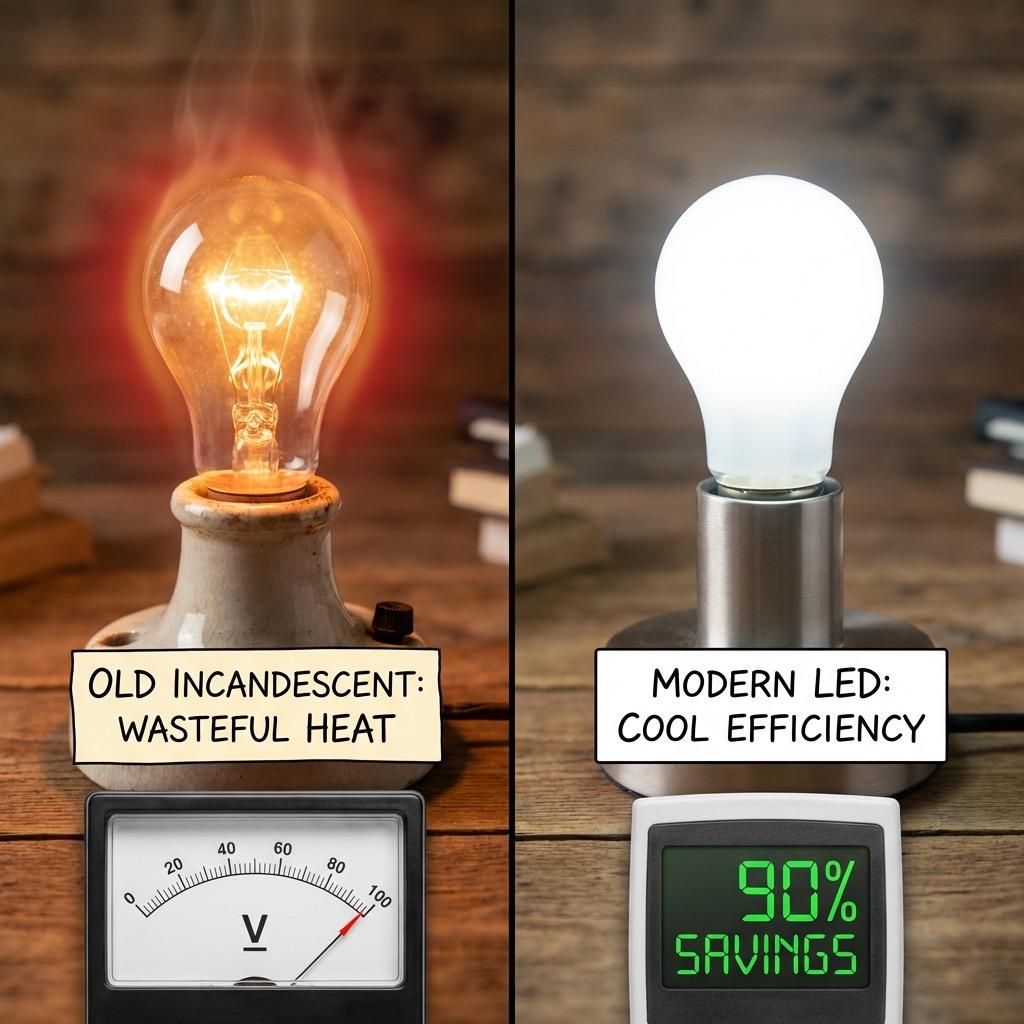
The most significant difference between LED and incandescent lighting is energy consumption. An incandescent bulb converts only about 10% of its electrical energy into light, with the remaining 90% becoming heat. LED bulbs, in contrast, convert approximately 80-90% of energy into visible light.
Real-World Savings for Northern Virginia Homes
In practical terms, a 10-watt LED produces the same light output (lumens) as a 60-watt incandescent. Over a year of average use at 3 hours per day, that single bulb saves approximately 55 kilowatt-hours of electricity. At Virginia's average electricity rate of about $0.12 per kWh, that translates to $6.60 saved annually per bulb. For a typical Northern Virginia home with 40 light fixtures, switching from incandescent to LED can save over $250 per year in electricity costs. The savings multiply for homes with higher usage or those with many fixtures, such as homes with extensive recessed lighting throughout Fairfax County or newer construction in Loudoun County.
Did You Know? Northern Virginia experiences some of the highest electricity rates in the Mid-Atlantic region, particularly during summer peak demand. LED lighting reduces both your energy bill and the strain on the regional power grid during those hot DMV summers when air conditioning already drives high electricity consumption.
Lifespan Comparison
LED bulbs dramatically outlast incandescent bulbs. A typical incandescent bulb lasts approximately 1,000 hours, which translates to about one year with average use. Quality LED bulbs are rated for 15,000 to 50,000 hours, translating to 15-50 years under the same usage pattern. This extended lifespan means fewer bulb replacements over time. For hard-to-reach fixtures like vaulted ceiling recessed lights or exterior fixtures, the reduced replacement frequency offers both cost savings and convenience.
Whether it is a simple repair or a major electrical project, our licensed team is ready to help. Serving all of Northern Virginia with transparent pricing and expert workmanship. Call (703) 997-0026 today.
| Factor | Incandescent | LED |
|---|---|---|
| Average Lifespan | 1,000 hours | 25,000+ hours |
| Energy Use (60W equivalent) | 60 watts | 8-10 watts |
| Annual Energy Cost* | $7.88 | $1.31 |
| Heat Output | High (90% of energy) | Low (10-20% of energy) |
| Initial Cost | $1-2 | $2-8 |
*Based on 3 hours daily use at $0.12/kWh
Light Quality Considerations
Color Temperature and CRI
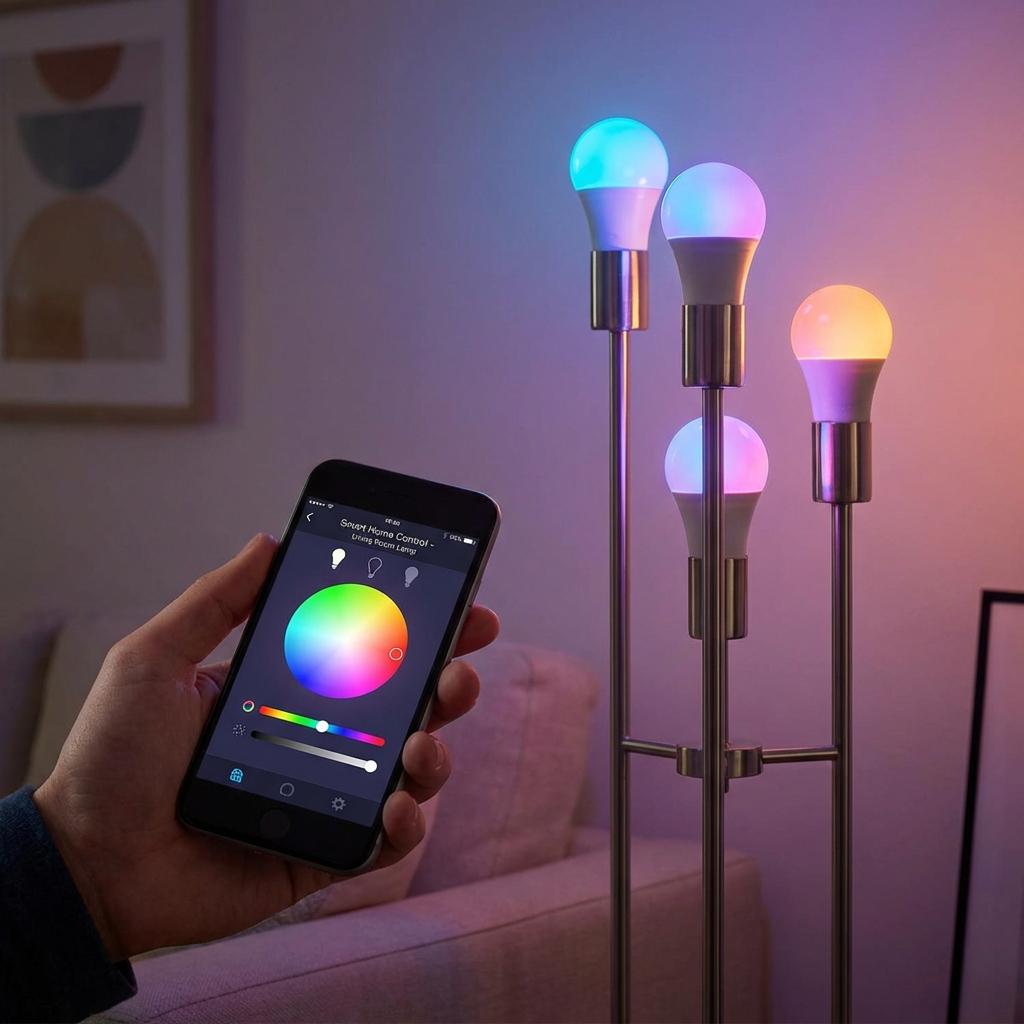
Early LED bulbs earned criticism for harsh, blue-tinted light that felt unnatural compared to incandescent's warm glow. Modern LEDs have largely overcome this limitation. Today's LEDs are available in a wide range of color temperatures, from warm 2700K that matches incandescent to cool 5000K daylight.
The Color Rendering Index (CRI) measures how accurately a light source renders colors compared to natural light. Incandescent bulbs have a CRI of 100, which represents perfect color rendering. Quality LED bulbs now achieve CRI ratings of 90-98, making them virtually indistinguishable from incandescent in color accuracy. Budget LEDs may have CRI ratings of 80-85, which is acceptable for most applications but noticeable when accurate color is important, such as in kitchens or bathrooms.
Consistency and Warm-Up Time
One advantage LEDs offer is consistency. Unlike incandescent bulbs that dim and shift toward yellow as they age, LED light output and color remain stable throughout their lifespan. LEDs also reach full brightness instantly, while some older technologies required warm-up time. This is particularly valuable in Northern Virginia homes where lights are frequently switched on and off throughout the day.
Dimming Compatibility
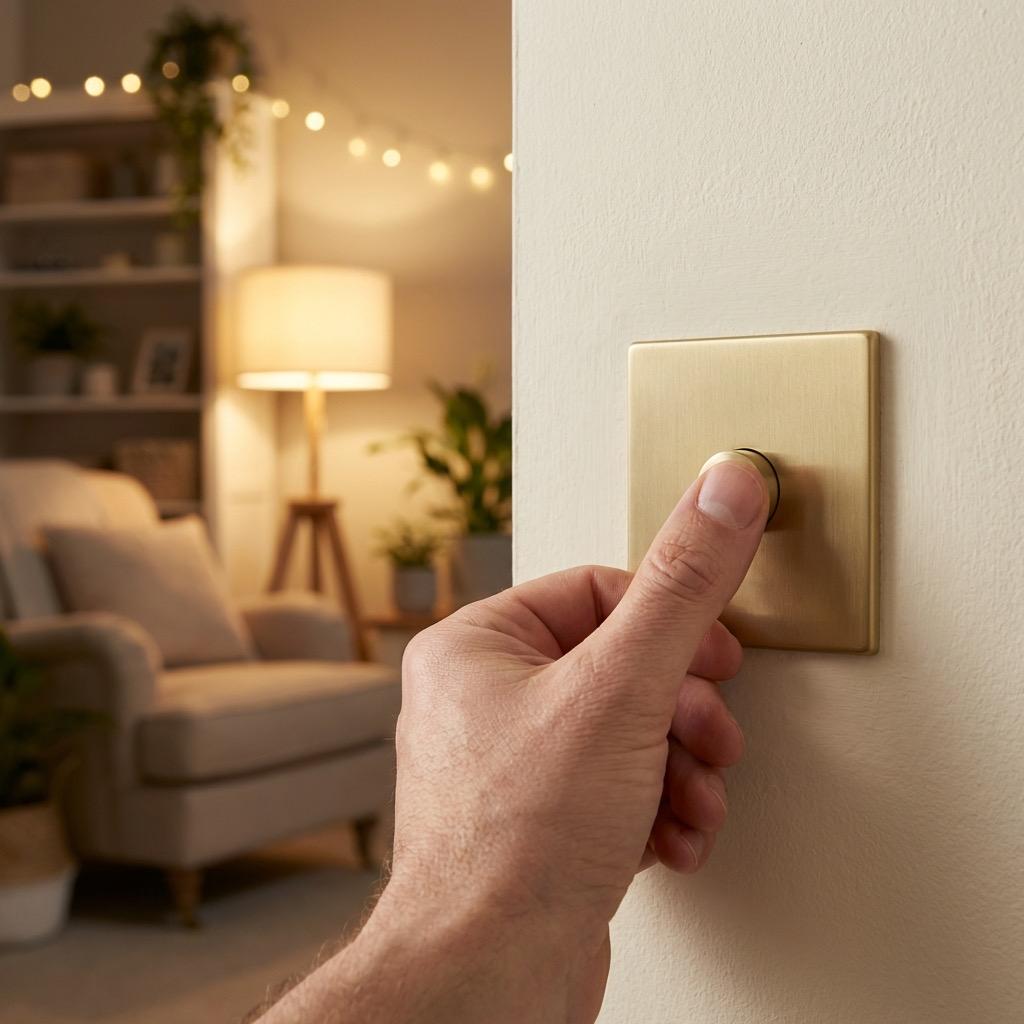
Incandescent bulbs work with virtually any dimmer switch since they have been the standard for decades. LED compatibility with dimmers is more complex. Not all LED bulbs are dimmable, and those that are may not work well with older dimmer switches designed for incandescent loads.
When dimmed on incompatible switches, LEDs may flicker, buzz, have limited dimming range, or fail to dim smoothly. The solution is straightforward: use LED-compatible dimmer switches. These electronic dimmers are designed for the low wattage and electrical characteristics of LED bulbs. Upgrading dimmers when transitioning to LED is often necessary and adds to the upfront cost but ensures proper performance.
Pro Tip: When upgrading to LED throughout your home, have an electrician replace all dimmer switches at the same time. This ensures compatibility across every circuit and eliminates the frustrating flickering that occurs when LED bulbs are paired with legacy incandescent dimmers. AJ Long Electric offers whole-home dimmer upgrade packages for homeowners in Fairfax, Arlington, and surrounding counties.
Environmental Impact and Heat Generation
Carbon Footprint Reduction
LED lighting is significantly more environmentally friendly than incandescent. The reduced energy consumption means lower carbon emissions from power generation. Over a 25,000-hour lifespan, a single LED bulb prevents approximately 200 pounds of CO2 emissions compared to using incandescent bulbs for the same period. LEDs also reduce waste: one LED lasting 25,000 hours replaces 25 incandescent bulbs, meaning less manufacturing, packaging, and disposal.
Heat Output and Safety
Incandescent bulbs produce substantial heat, enough to burn skin on contact and contribute to cooling costs in summer. This heat can also be a fire hazard when bulbs contact flammable materials or are enclosed in fixtures without proper ventilation. LED bulbs produce far less heat at the bulb surface. While LEDs do generate heat at their electronic components, the heat is directed away from the light-emitting surface. This makes LEDs safer in enclosed fixtures and reduces the strain on air conditioning systems during the hot and humid Northern Virginia summers.
Where Incandescent Still Makes Sense
Despite LED's advantages, some applications still favor incandescent lighting:
- Decorative fixtures: Vintage Edison-style incandescent bulbs with visible filaments create an aesthetic that LED replicas cannot perfectly match, popular in historic homes throughout Old Town Alexandria and Arlington.
- Heat applications: Heat lamps and specialty appliances rely on incandescent heat output by design.
- Infrequently used fixtures: For lights used only a few minutes per day, the energy savings from LED may never offset the higher purchase price.
- Color-critical applications: Professional photography and art studios may prefer incandescent's perfect CRI of 100.
Making the Switch to LED
Transitioning from incandescent to LED does not have to happen all at once. A practical approach is to start with the most-used fixtures where savings accumulate fastest. Replace incandescent bulbs as they burn out rather than discarding working bulbs. Prioritize fixtures where LED's long lifespan offers convenience benefits, like hard-to-reach locations such as vaulted ceilings and exterior soffits.
When purchasing LED bulbs, look for Energy Star certification, which ensures the bulb meets efficiency and quality standards. Check the lumens rather than watts when matching brightness since a 60-watt equivalent LED produces about 800 lumens. Choose color temperature based on preference: 2700K for warm, incandescent-like light or 3000-3500K for a slightly crisper feel.
Professional LED Upgrade Services in Northern Virginia
For whole-home LED transitions, professional installation ensures optimal results. Our electricians at AJ Long Electric assess your current lighting, recommend appropriate LED products for each fixture, upgrade dimmer switches for compatibility, and ensure proper installation throughout your home. We also offer LED recessed lighting retrofits, converting older incandescent can lights to integrated LED fixtures that provide better light distribution and even greater efficiency.
Contact AJ Long Electric for a lighting consultation and discover how LED technology can enhance your home while reducing energy costs. Homeowners across Fairfax, Arlington, Loudoun, and Prince William counties trust our team to deliver LED upgrades that perform flawlessly for decades.
Tags:

Written by
AJ Long Electric Team
Licensed Electricians
Our team of licensed electricians brings over 40 years of combined experience serving Northern Virginia. We're committed to providing expert electrical solutions with a focus on safety, quality, and customer satisfaction.
Reviewed by AJ Long Electric Master Electricians · VA License #2705031092 · View Credentials