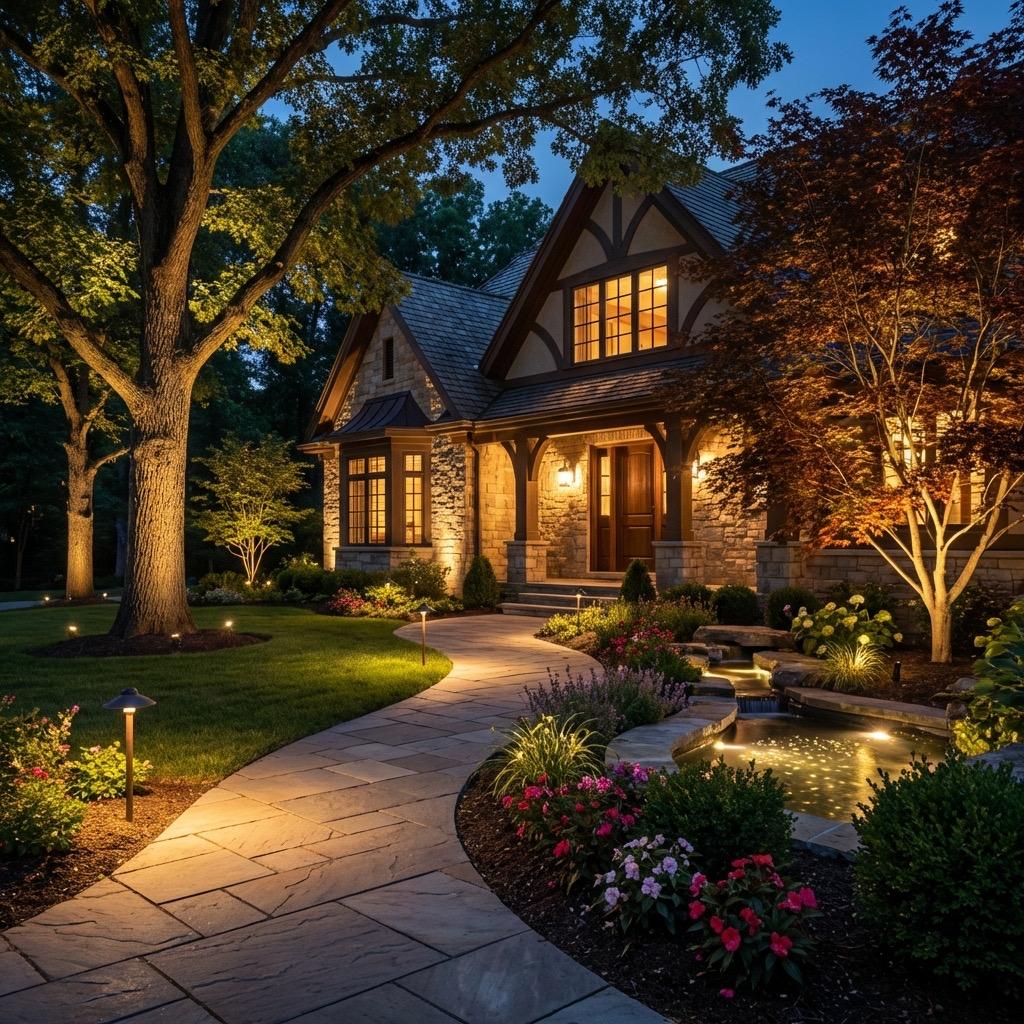
Well-designed landscape lighting extends your living space into the outdoors, enhances your home's curb appeal, improves security, and creates magical evening ambiance. Unlike interior lighting where fixtures are the focus, landscape lighting is about the effects: the interplay of light and shadow that reveals texture, highlights architecture, and guides movement through outdoor spaces. At AJ Long Electric, we approach landscape lighting as both art and science, and our installations across Fairfax, Arlington, Loudoun, and Prince William counties combine aesthetic vision with technical expertise to create outdoor lighting that looks natural and functions flawlessly.
Key Takeaways
- Effective landscape lighting uses layered design: ambient for overall illumination, task for functional areas, and accent for focal points.
- Techniques like uplighting, moonlighting, silhouetting, and grazing each create distinct visual effects suited to different landscape features.
- Most residential landscape lighting uses low-voltage 12V systems with transformers sized 20-25% above the total fixture wattage.
- Professional installation ensures proper wire sizing, voltage drop calculations, waterproof connections, and code-compliant integration.
- Smart controllers with astronomic timers and zone control maximize convenience while minimizing energy waste.
The Principles of Landscape Lighting Design
Layered Lighting Outdoors
Just as interior spaces benefit from multiple light layers, landscapes need variety in lighting types and purposes. The three main layers are ambient for overall illumination, task for functional lighting such as cooking and dining areas, and accent for highlighting focal points. A successful design balances these layers to create depth and interest. Northern Virginia properties, from the mature tree-lined lots of Arlington to the expansive yards of western Loudoun County, each present unique opportunities for layered landscape lighting.
Focal Points and Hierarchy
Not everything in your landscape deserves equal emphasis. Identify focal points such as a majestic oak, a water feature, or architectural details, and design lighting to draw attention to these elements. Create visual hierarchy by varying brightness levels, with the most important features receiving the strongest illumination. In the DMV area, mature hardwoods and ornamental plantings common in established neighborhoods provide outstanding subjects for accent lighting.
Avoiding Over-Lighting
Less is often more in landscape lighting. Over-lit landscapes look unnatural and harsh, losing the mystery and drama that make evening gardens special. Well-designed lighting uses restraint, allowing shadows to play an equal role in the composition. Start with fewer fixtures and add more only where needed. Many Fairfax and Arlington County HOA regulations also limit outdoor lighting intensity, making thoughtful design both aesthetically and legally important.
Pro Tip: Before investing in a full landscape lighting system, walk your property at night and take photos of the areas you want to highlight. This exercise helps you identify natural focal points and understand how moonlight already interacts with your landscape. Share these observations with your lighting designer for the best results.
Essential Landscape Lighting Techniques
Uplighting
Uplighting positions fixtures at ground level, casting light upward onto trees, shrubs, or architectural features. This technique creates dramatic effects by reversing the natural direction of sunlight. Place uplights at the base of trees, angled to illuminate the trunk and canopy. The brightness and beam angle should match the subject. Large trees may need multiple fixtures or high-output lights, while small ornamental trees require gentler illumination. Wide beam angles provide soft washes of light, while narrow beams create more dramatic spotlight effects.
Whether it is a simple repair or a major electrical project, our licensed team is ready to help. Serving all of Northern Virginia with transparent pricing and expert workmanship. Call (703) 997-0026 today.
Downlighting and Moonlighting
Downlighting places fixtures in elevated positions, in trees, on structures, or on tall poles, casting light downward. This creates natural-looking illumination similar to moonlight. Moonlighting specifically refers to placing fixtures high in large trees to cast dappled shadows on the ground below, mimicking the effect of moonlight filtering through branches. Downlighting works well for illuminating patios, decks, and gathering areas. Mount fixtures high enough that the light source is not visible from normal viewing angles and use multiple fixtures at lower intensities rather than single bright sources for more natural effects.
Path Lighting
Path lights guide movement through the landscape, illuminating walkways, steps, and transitions between different areas of the yard. Beyond function, path lights establish rhythm and lead the eye through the garden. Space fixtures to provide consistent illumination without bright spots and dark gaps, typically 8-10 feet apart for standard residential paths. Path lights come in various styles, from traditional lantern shapes to contemporary bollards. Choose styles that complement your home's architecture and landscape design.
Silhouetting, Shadowing, Grazing, and Washing
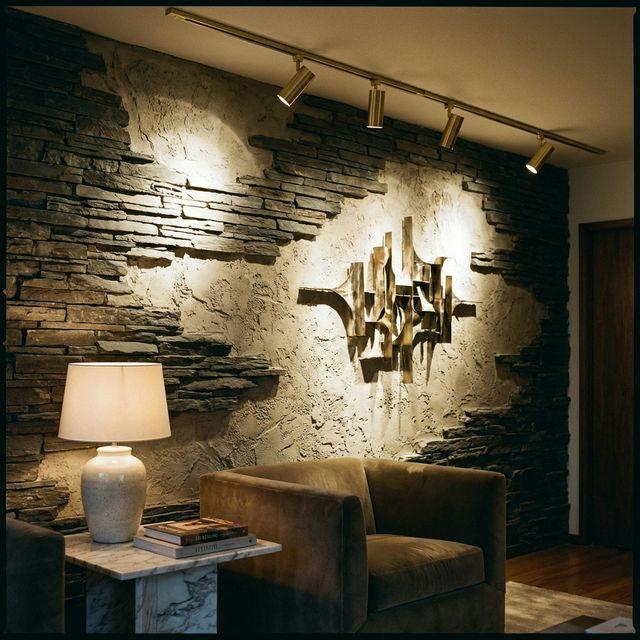
Silhouetting places a light source behind a subject, aimed at a wall or backdrop, making the subject appear as a dark shape against the illuminated background. Shadowing is the opposite, placing a light in front of a subject to cast its shadow onto a surface behind it. Grazing places fixtures close to a textured surface with light aimed nearly parallel to the surface, emphasizing texture by casting small shadows in every crevice. Washing uses lights positioned farther from the surface at wider angles, creating more even illumination. Choose between these techniques based on the surface characteristics and desired effect. The stone facades and brick exteriors common on Northern Virginia homes respond beautifully to grazing techniques.
Designing Your Landscape Lighting Plan
Site Analysis and Zoning
Start by observing your property at night without additional lighting. Note which areas need illumination for safety, which features deserve highlighting, and where darkness should be preserved. Divide your landscape into zones based on function and viewing importance. Typical zones include the entry and front facade, outdoor living areas such as patios and decks, garden features, utility areas like driveways and service paths, and perimeter or security areas. Each zone should have independent control so you can adjust lighting based on activity.
Fixture Selection for Northern Virginia Conditions
Modern landscape lighting is almost exclusively LED, offering energy efficiency, long lifespan, and cool operation that is safer around plants. When selecting fixtures, consider durability first. Look for solid brass, copper, or quality aluminum that withstands the Northern Virginia climate, including hot humid summers, cold winters, and frequent freeze-thaw cycles. Choose 2700-3000K color temperature for a warm, natural appearance. Match beam angles to the application, with narrow beams for accents and wide angles for area lighting. Landscape fixtures typically range from 100 to 1000 lumens depending on their purpose.
Did You Know? Fairfax County and many Northern Virginia jurisdictions have dark-sky-friendly ordinances that limit light trespass onto neighboring properties. Professional landscape lighting designers account for these regulations, using shielded fixtures and precise aiming to keep light where it belongs while maximizing the beauty of your property.
Installation Considerations
Low Voltage vs. Line Voltage
Most residential landscape lighting uses low-voltage 12V systems powered by transformers. Low voltage offers safer installation, easier wiring, and lower operating costs. Line voltage 120V fixtures may be used for very large properties or commercial applications but require professional installation and buried conduit. For the vast majority of residential properties in the DMV area, low-voltage systems provide the best balance of performance, safety, and cost.
Transformer Sizing and Voltage Drop
Low-voltage systems require a transformer sized to handle the total wattage of connected fixtures. Add up the wattage of all planned fixtures and choose a transformer with 20-25% additional capacity for future additions. Large properties may need multiple transformers to avoid excessive voltage drop over long wire runs. As electricity travels through wire, voltage decreases. Professional designers calculate voltage drop and use appropriate wire gauges and hub-and-spoke circuit layouts to maintain consistent brightness throughout the system.
Smart Controls and Professional Installation
Modern landscape lighting systems offer sophisticated control options. Astronomic timers automatically adjust on and off times based on sunset and sunrise, eliminating manual seasonal adjustments. Dimmers allow creating different scenes for different occasions. Smart controllers enable smartphone control, scheduling, and integration with home automation systems. Consider separate control of zones to maximize flexibility.
While simple path lighting can be a DIY project, comprehensive landscape lighting benefits significantly from professional design. An experienced lighting designer brings artistic vision and technical knowledge that ensures cohesive, beautiful results. Professional installation provides proper wire sizing and burial, secure waterproof connections, optimal transformer placement, and code-compliant integration with your home's electrical system.
At AJ Long Electric, our landscape lighting specialists create custom designs that highlight your property's best features while providing the practical illumination you need. We serve homeowners throughout Fairfax, Arlington, Loudoun, and Prince William counties, handling the entire process from initial design consultation through installation and final nighttime adjustments. Contact us to schedule a landscape lighting consultation and transform your outdoor spaces into stunning nighttime environments.
Tags:

Written by
AJ Long Electric Team
Licensed Electricians
Our team of licensed electricians brings over 40 years of combined experience serving Northern Virginia. We're committed to providing expert electrical solutions with a focus on safety, quality, and customer satisfaction.
Reviewed by AJ Long Electric Master Electricians · VA License #2705031092 · View Credentials