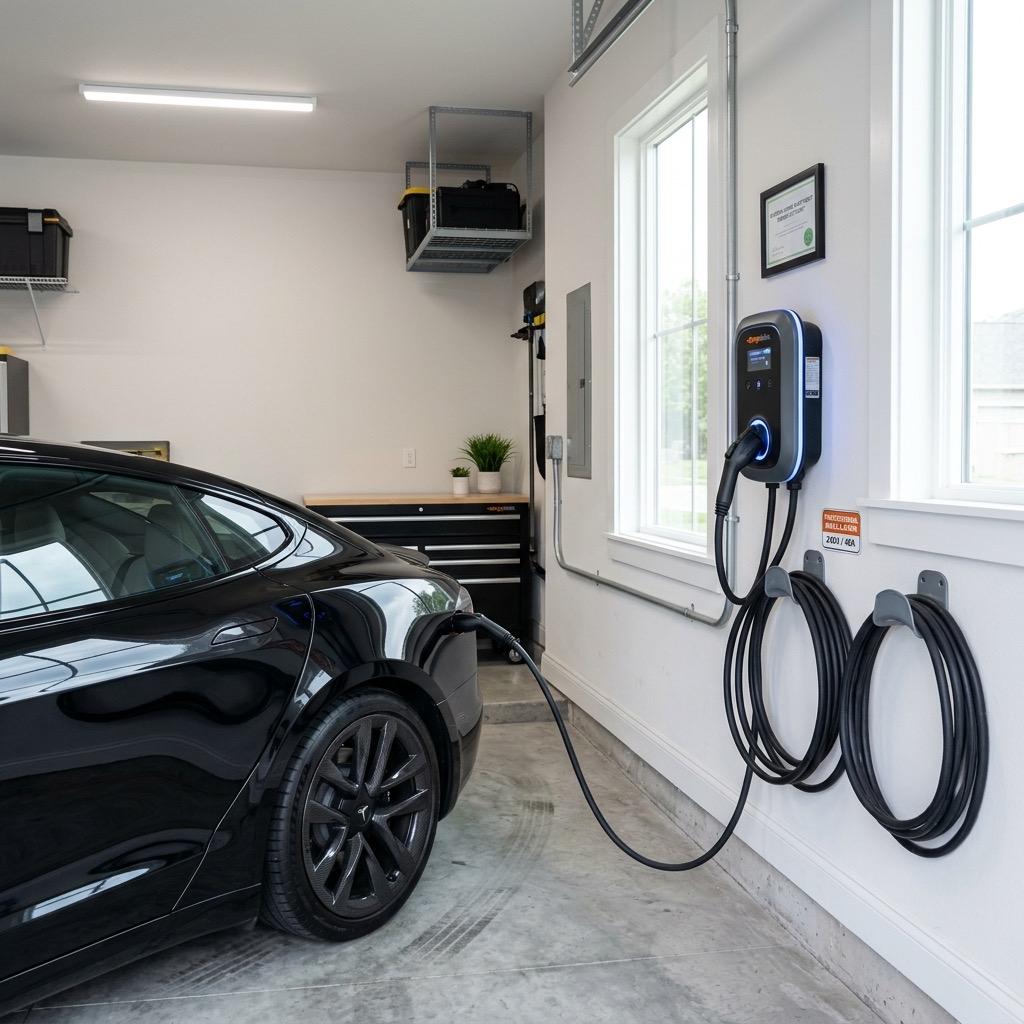
EV charger installation in Northern Virginia typically costs $800-$2,500 for a complete Level 2 setup. The final price depends on your electrical panel capacity, distance to the charging location, and charger type. With electric vehicle adoption surging across Fairfax, Arlington, Loudoun, and Prince William counties, more homeowners are making this investment. This comprehensive pricing guide covers every cost factor so you can budget with confidence.
Key Takeaways
- A complete Level 2 EV charger installation in Northern Virginia costs $800-$2,500 when your panel has available capacity
- The charger unit itself costs $300-$700 depending on features and brand
- A panel upgrade (if needed) can add $1,800-$4,500 to the total project cost
- Federal tax credits cover up to 30% of installation costs with a $1,000 maximum
- Garage installations near the electrical panel are the most affordable scenario
Understanding EV Charging Levels
Before diving into costs, it helps to understand the charging options available. Level 1 charging uses a standard 120V household outlet and adds only 3-5 miles of range per hour. This works for plug-in hybrids but is impractical for fully electric vehicles. Level 2 charging uses a 240V circuit (similar to a dryer outlet) and adds 25-40 miles of range per hour, making it the sweet spot for home charging. Most Northern Virginia EV owners can fully charge their vehicle overnight with a Level 2 charger.
Why Level 2 Is the Standard for Home Installation
Level 2 chargers deliver enough power to fully charge most EVs in 6-10 hours, meaning you plug in when you get home and wake up to a full battery. This eliminates range anxiety and the need for frequent trips to public charging stations. For commuters traveling the I-66, I-495, or Dulles Toll Road corridors daily, home Level 2 charging is the most convenient and cost-effective solution.
Cost Components Breakdown
The Charger Unit ($300-$700)
Basic Level 2 chargers without smart features start around $300. These units deliver reliable charging but lack connectivity features. Smart chargers with WiFi connectivity, scheduling capability, energy monitoring, and load management run $500-$700. Popular options include the ChargePoint Home Flex ($650), Grizzl-E ($400), and JuiceBox 40 ($600). Tesla Wall Connectors cost approximately $475 and integrate seamlessly with Tesla vehicles, though they also work with other EVs using an adapter.
Our licensed electricians have installed hundreds of EV chargers across Northern Virginia. We handle everything from panel evaluation to permit filing. Call (703) 997-0026 or request your free estimate online.
When selecting a charger, consider amperage output. A 32-amp charger provides about 25 miles of range per hour, while a 48-amp unit delivers approximately 37 miles per hour. The 48-amp option requires a 60-amp circuit breaker (per the 80% continuous load rule), while the 32-amp charger needs only a 40-amp breaker. This distinction affects wiring costs and panel capacity requirements.
Electrical Circuit ($400-$1,200)
A dedicated 240V circuit is required for every Level 2 charger installation. The cost varies significantly based on the distance from your electrical panel to the charging location and whether existing infrastructure can be leveraged. Running 6-gauge copper wire (for a 48-amp circuit) costs approximately $3-$5 per linear foot for materials alone. A 20-foot run from a basement panel to an adjacent garage wall is straightforward, while a 75-foot run from one end of the house to a detached garage involves considerably more material and labor.
Installation Labor ($200-$600)
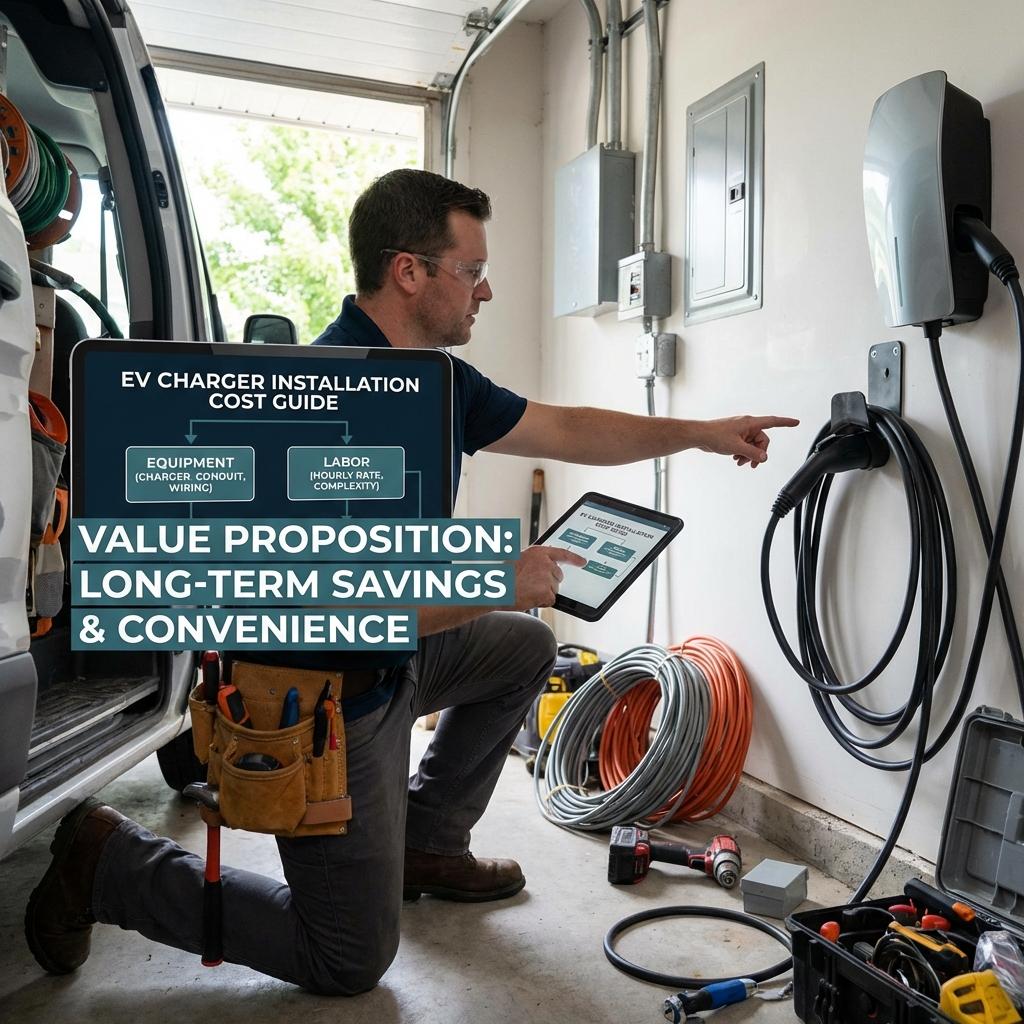
Professional mounting, wiring, circuit breaker installation, and testing typically takes 2-4 hours. This includes mounting the charger at the proper height, running and securing the wire from the panel, installing the circuit breaker, and performing voltage and amperage tests to verify proper operation. The electrician will also program smart chargers and walk you through the features.
Installation Scenarios and Pricing
Your total installation cost depends heavily on your home's specific situation. Here are the most common scenarios we encounter across Northern Virginia homes.
- Panel nearby, garage install: $800-$1,200 -- This is the ideal scenario. Your panel is in the garage or basement adjacent to the garage, requiring a short wire run. Most townhomes in Ashburn, Reston, and Centreville fall into this category.
- Panel across house: $1,200-$1,800 -- Common in homes where the panel is in the basement at the back of the house while the garage is at the front. The longer wire run and potential need to route through finished spaces increase costs.
- Outdoor driveway install: $1,500-$2,200 -- Required when you do not have a garage and charge in the driveway. Involves a weatherproof charger, outdoor-rated conduit, and potentially trenching for underground wire runs.
- Panel upgrade needed: Add $1,800-$4,500 -- If your panel is at capacity (common in homes with 100-amp service), a panel upgrade must be completed before adding the EV charger circuit.
Townhouse and Condo Considerations
Townhouse owners in communities across Fairfax and Loudoun counties face unique challenges. Many HOAs have specific requirements for EV charger installations, including aesthetic standards and electrical work approvals. Some older townhome developments have shared electrical infrastructure that complicates individual installations. If you live in a townhouse, check your HOA guidelines before scheduling an installation and factor in any required approval timelines.
Do You Need a Panel Upgrade
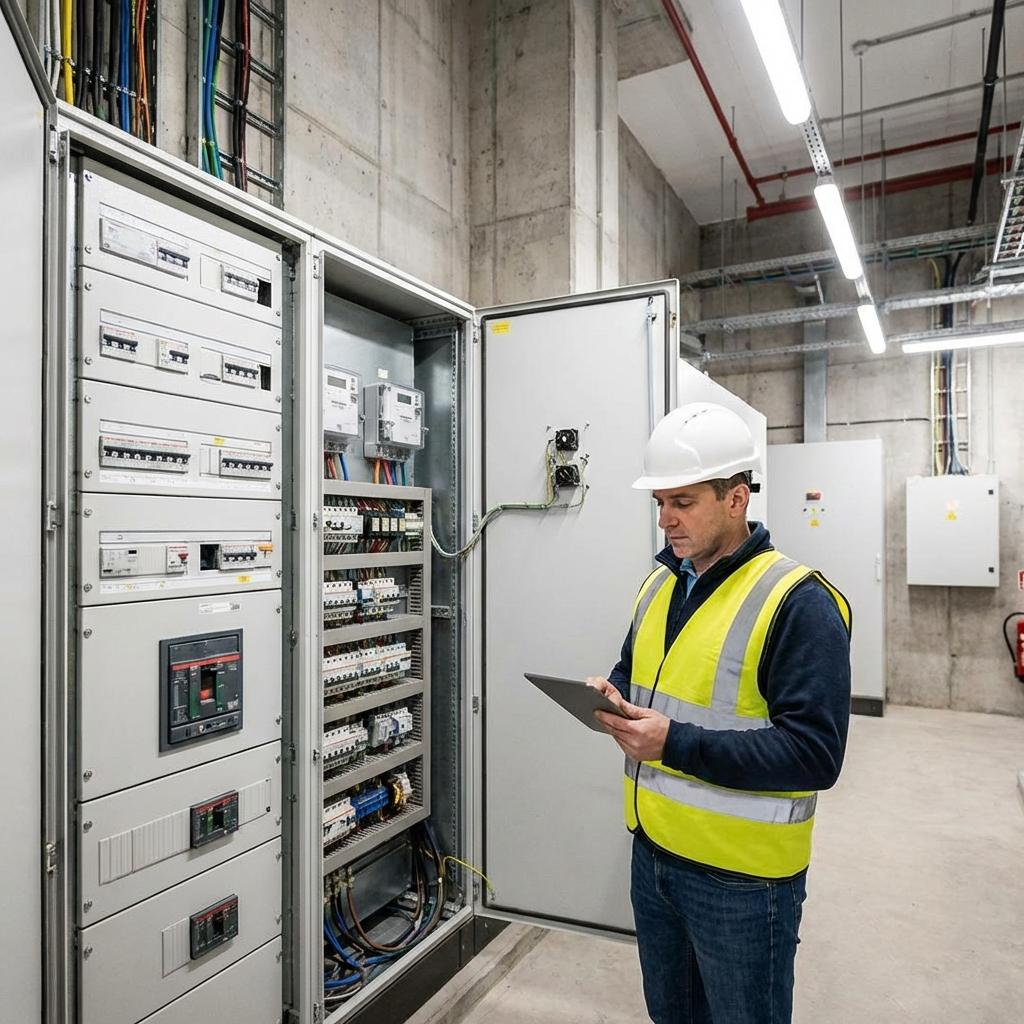
A Level 2 EV charger requires a 40-amp or 60-amp circuit breaker, which consumes significant panel capacity. If your home has a 100-amp panel (common in homes built before the 1990s), you may not have enough spare capacity for the charger without upgrading. Signs that a panel upgrade may be necessary include:
- Your panel currently has no open breaker slots
- You have a 100-amp main breaker
- Your panel already supports a large central AC unit, electric range, and electric dryer
- You experience breaker trips when running multiple large appliances
An experienced electrician can perform a load calculation to determine whether your existing panel can support an EV charger. In some cases, a load management device can be installed to share capacity between the charger and other large loads, avoiding a full panel upgrade.
Tax Credits and Rebates
The federal Alternative Fuel Vehicle Refueling Property Credit (Internal Revenue Code Section 30C) offers up to 30% of the total installation cost, including the charger and labor, with a maximum credit of $1,000 for residential installations. This credit applies to the tax year in which the installation is completed. To claim it, file IRS Form 8911 with your federal tax return.
State and Utility Incentives
Virginia does not currently offer a state-level tax credit for EV charger installation, but Dominion Energy periodically offers rebate programs for residential EV charging equipment. Check Dominion's website or ask your electrician about current incentive programs. Some Northern Virginia municipalities also offer incentives as part of their sustainability initiatives.
Calculating Your Net Cost
For a typical installation costing $1,500, the federal tax credit would cover $450, bringing your net cost to $1,050. Over the life of the charger (typically 10-15 years), the cost of home charging versus public charging stations or gasoline results in substantial savings. Northern Virginia EV owners typically save $800-$1,500 annually on fuel costs compared to a comparable gasoline vehicle.
Choosing the Right Electrician for EV Charger Installation
Not all electricians have experience with EV charger installations. Look for a contractor who has completed multiple EV charger projects, understands the specific electrical code requirements for electric vehicle supply equipment (EVSE), and is familiar with the various charger brands and their installation requirements. They should also be knowledgeable about load calculations and panel capacity assessments.
At AJ Long Electric, we have installed hundreds of EV chargers across Northern Virginia. Our team is experienced with all major charger brands and can assess your home's electrical capacity, recommend the right charger for your vehicle and driving habits, and complete the installation efficiently. We handle all permitting through your local jurisdiction and ensure every installation meets current NEC requirements.
Ready to charge your EV at home? Contact AJ Long Electric at (703) 997-0026 for a free installation assessment. We serve homeowners throughout Fairfax, Arlington, Loudoun, and Prince William counties with professional, code-compliant EV charger installations.
Tags:

Written by
Matt Long
Master Electrician
Our team of licensed electricians brings over 40 years of combined experience serving Northern Virginia. We're committed to providing expert electrical solutions with a focus on safety, quality, and customer satisfaction.
Reviewed by AJ Long Electric Master Electricians · VA License #2705031092 · View Credentials