DIY electrical work rarely saves money when you factor in safety risks, code violations, and potential insurance issues. While YouTube tutorials and home improvement shows make electrical projects look straightforward, the reality is that electrical work carries unique dangers and legal requirements that set it apart from other home improvement tasks. This honest cost comparison helps Northern Virginia homeowners understand when DIY makes sense and when hiring a licensed electrician is the smarter financial decision.
Key Takeaways
- DIY electrical savings on labor are often offset by retail material prices, tool purchases, and time investment
- Improper electrical work creates fire hazards, electrocution risks, and insurance liability
- Virginia law requires a licensed electrician for most electrical work beyond basic device replacement
- Unpermitted DIY electrical work can reduce your home's value and create complications during resale
- Simple tasks like replacing switch plates and testing GFCI outlets are safe for homeowners
The True Cost of DIY Electrical Work
The perceived savings of DIY electrical work are smaller than most homeowners expect, and the hidden costs can far exceed what a professional would have charged. Here is an honest breakdown of every cost factor.
Materials: You Pay More
Licensed electrical contractors purchase materials at wholesale prices through supply houses like Graybar, Rexel, and CED. They receive 20-40% discounts on wire, panels, breakers, fixtures, and devices. DIYers pay full retail at Home Depot, Lowes, or online retailers. On a $500 materials order, you could be paying $150-$200 more than a professional for the same products. Additionally, professionals know exactly which materials and quantities are needed, while DIYers often over-purchase or make return trips for forgotten items.
Tools: An Overlooked Expense
Proper electrical work requires specialized tools that most homeowners do not own. Beyond a basic screwdriver and pliers, you need:
- Non-contact voltage tester: $20-$40
- Digital multimeter: $30-$80
- Wire strippers (multiple gauges): $15-$40
- Fish tape or fish rods: $30-$80
- Cable ripper: $10-$20
- Conduit bender: $30-$60
- Hole saws for electrical boxes: $20-$50
- Circuit tracer: $50-$150
A basic toolkit for electrical work costs $200-$500, and these tools will sit in your garage after the project is done. A professional electrician has invested thousands in commercial-grade tools that they use daily, and that cost is already built into their reasonable hourly rate.
Permits: A Legal Requirement
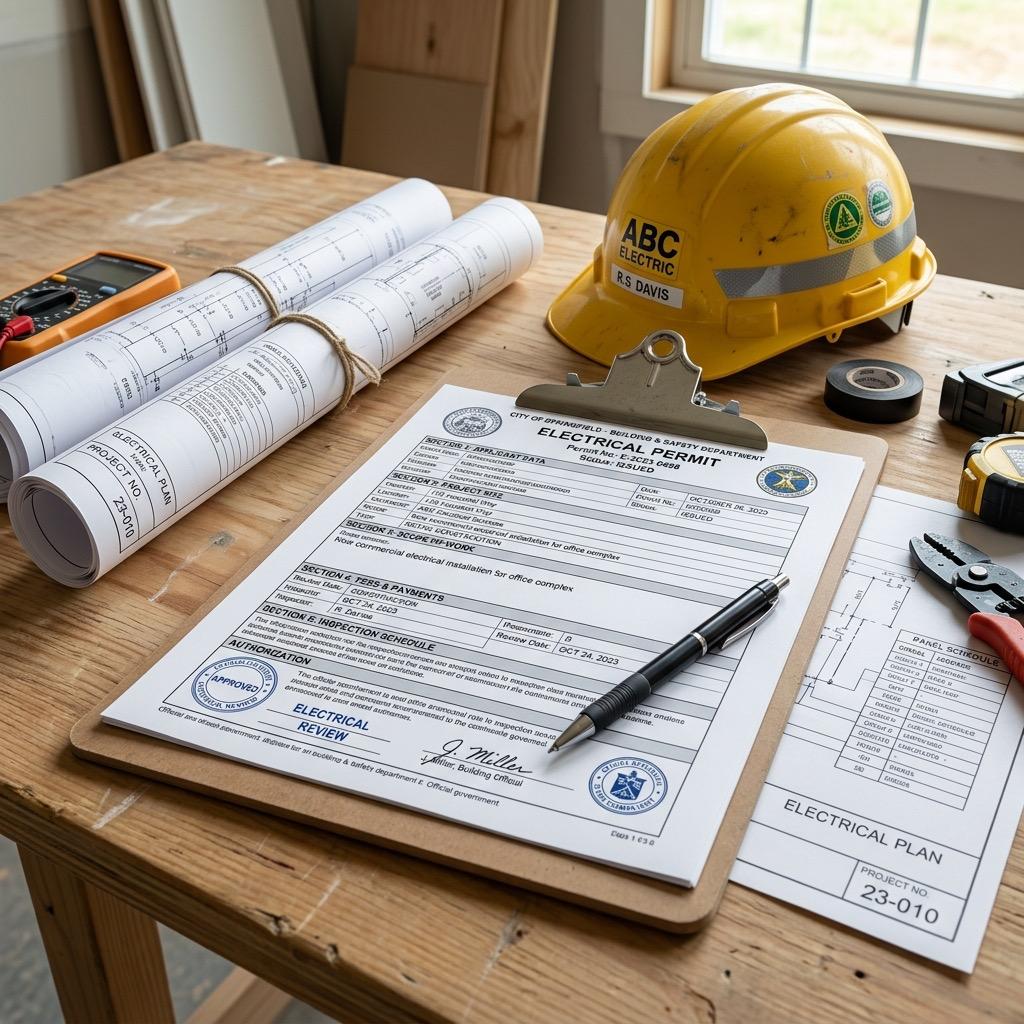
In Virginia, homeowners can technically pull electrical permits for work on their primary residence in some jurisdictions. However, the work must still meet the current National Electrical Code and pass inspection by a county electrical inspector. In practice, most Northern Virginia homeowners find the permit process confusing, and inspector feedback on DIY work frequently results in failed inspections that require corrections and re-inspection. In Fairfax County, Arlington, Loudoun, and Prince William counties, permit requirements are strictly enforced.
Work performed without permits creates significant liability. If an electrical fire occurs and the insurance adjuster discovers unpermitted work, your claim may be denied. This single outcome can cost more than a lifetime of professional electrical services.
Time: Your Most Valuable Resource
What takes a professional electrician 2 hours might take a skilled DIYer 6-8 hours or more. This is not a criticism of DIY ability. It is a reflection of the thousands of hours of training and experience that professionals bring to every job. They have solved similar problems hundreds of times and know the fastest, safest approach. If you earn $50 per hour at your job and spend 8 extra hours on a project that a professional could complete in 2 hours, you have effectively spent $400 of your time to save $200 in labor costs. That math does not work in your favor.
Real Risks of DIY Electrical Work
The financial risks are significant, but the safety risks are even more concerning. Electrical work has zero margin for error on certain critical aspects.
A professional electrical inspection identifies hidden hazards before they become emergencies. Our licensed electricians provide thorough safety inspections throughout Northern Virginia. Call (703) 997-0026 to schedule yours.
Fire Hazards
Electrical fires are the third leading cause of home fires in the United States. Improper wire connections, incorrect wire gauge selection, overloaded circuits, and missing junction box covers are all common DIY mistakes that create fire hazards. These hazards may not manifest immediately. A loose connection can generate heat for months or years before igniting nearby materials. By the time the problem becomes apparent, the damage can be catastrophic.
Electrocution and Shock
Working with live electrical circuits is inherently dangerous. Professional electricians follow strict lockout-tagout procedures and understand the behavior of electrical systems in ways that prevent deadly contact. DIYers often underestimate the risks, work on circuits they believe are de-energized but are not, or fail to account for shared neutral conductors that remain energized even when a breaker is off.
Failed Home Inspections
When you sell your Northern Virginia home, the buyer's inspector will evaluate your electrical system. Improperly performed electrical work is one of the most commonly flagged issues in home inspections across Fairfax, Arlington, and Loudoun counties. Identified DIY electrical work can result in repair demands, price reductions, or buyers walking away entirely. The cost to have a professional correct DIY work often exceeds what the professional installation would have cost originally.
Voided Insurance Coverage
Homeowner's insurance policies in Virginia typically require that electrical work be performed by licensed professionals in accordance with applicable codes. DIY electrical work that causes damage gives your insurance company grounds to deny the claim. A single denied fire claim can represent losses of hundreds of thousands of dollars.
The Redo Factor
Many DIY electrical projects eventually need to be redone by a professional. Perhaps the work fails inspection, causes problems, or is flagged during a home sale. When a professional must redo DIY work, they often need to spend additional time understanding and correcting the existing installation before performing the work correctly. This troubleshooting time adds cost that would not have been necessary if the work had been done professionally from the start.
A Real Cost Comparison Example
Scenario: Adding Two Outlets in a Home Office
DIY Approach:
- Materials (retail): $60-$80
- Tools needed: $100-$200 (if you do not already own them)
- Permit fee: $85 (if you pull one)
- Your time: 4-6 hours ($200-$300 at $50/hr opportunity cost)
- Risk of failed inspection and rework: Possible
- True cost: $445-$665 plus risk
Professional Installation:
- Materials (wholesale): $40-$50
- Labor: $200-$400
- Permit fee: $85 (included in quote)
- Your time: 0 hours
- Risk: Minimal (licensed, insured, warranted)
- Total cost: $325-$535 with warranty and peace of mind
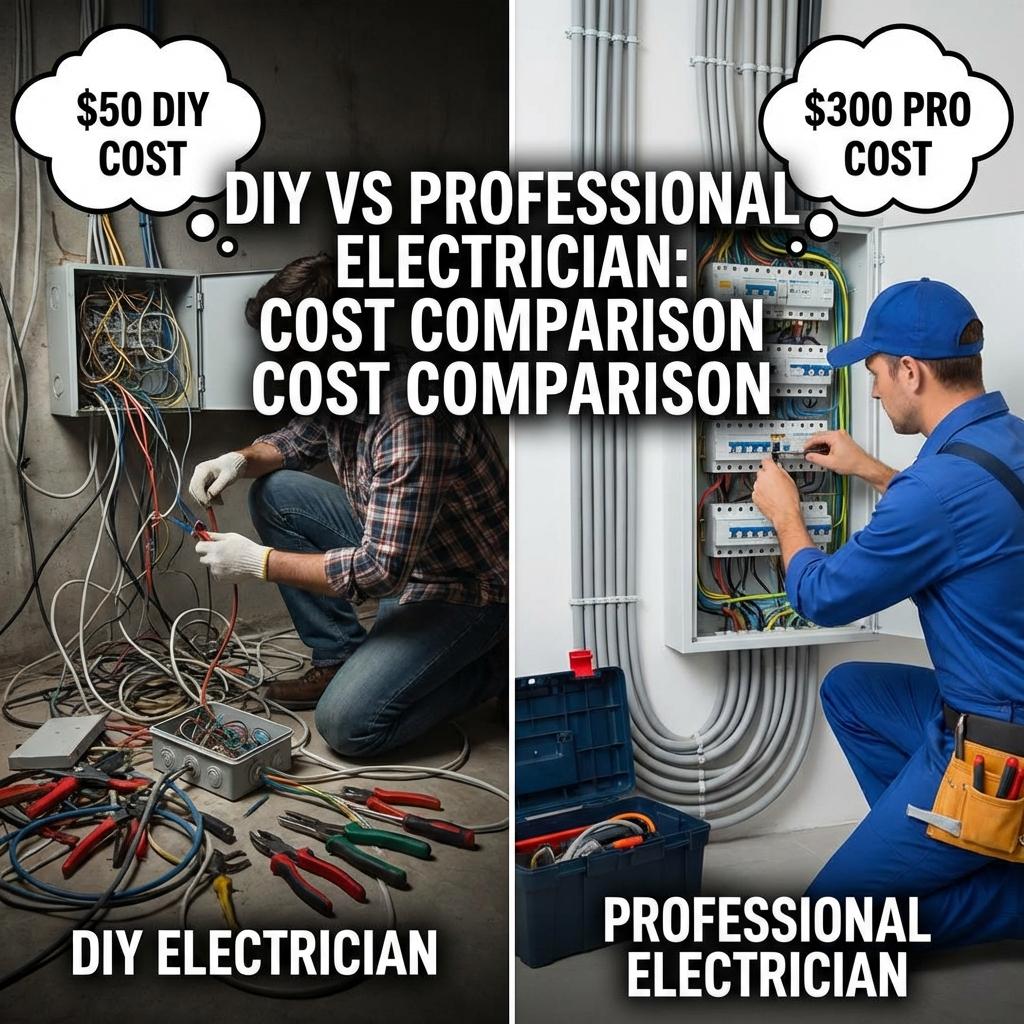
In this common scenario, the professional installation is comparable in cost or even less expensive than DIY, while providing vastly superior safety, code compliance, and warranty protection.
When DIY Does Make Sense
There are a handful of simple electrical tasks that homeowners can safely perform without a licensed electrician. These tasks do not require permits and do not involve working with live wiring or making electrical connections.
- Replacing switch plates and outlet covers: These are decorative covers that snap on and off with a single screw. No electrical contact is involved.
- Testing and resetting GFCI outlets: Using the built-in test and reset buttons is a routine homeowner task.
- Replacing light bulbs and lamp switches: With the lamp unplugged, replacing internal switches is safe.
- Changing thermostat batteries: A simple maintenance task.
- Resetting tripped breakers: Understanding how to identify and reset a tripped breaker is basic homeowner knowledge.
Anything beyond these basic tasks, including replacing outlets, replacing switches, adding circuits, running wire, and working inside your electrical panel, should be performed by a licensed electrician.
Make the Smart Choice with AJ Long Electric
At AJ Long Electric, we provide professional electrical services at fair, transparent prices throughout Northern Virginia. Our licensed electricians bring decades of combined experience, wholesale material pricing, and code expertise to every project. The peace of mind that comes with knowing your electrical work is safe, permitted, inspected, and warranted is worth every penny. Contact us at (703) 997-0026 for a free estimate on your next electrical project. We serve Fairfax, Arlington, Loudoun, and Prince William counties with the quality and professionalism your home deserves.
Tags:

Written by
Matt Long
Master Electrician
Our team of licensed electricians brings over 40 years of combined experience serving Northern Virginia. We're committed to providing expert electrical solutions with a focus on safety, quality, and customer satisfaction.
Reviewed by AJ Long Electric Master Electricians · VA License #2705031092 · View Credentials